
IDEM Offers SAP Master Data Solutions
SAP Master Data forms the foundation of all business processes within an SAP system. It represents the core and stable information that multiple departments depend on to operate efficiently.This foundational data includes key business entities such as materials, customers, vendors, employees, and financial structures.
Clean and well-managed master data is critical because every transaction in SAP relies on it—from procurement and manufacturing to finance, logistics, and sales operations.Without accurate master data, organizations may experience process delays, reporting inconsistencies, and operational inefficiencies.
What SAP Master Data Is
SAP Master Data represents the consistent and structured set of identifiers and attributes that define key business objects within the system.
Unlike transactional data—such as purchase orders or invoices—master data does not change frequently. Instead, it provides the long-term reference information required for transactions to occur.
SAP S/4HANA highlights master data as the digital backbone of enterprise systems, supporting real-time processing, analytics, and decision-making across the organization.
Main Types of SAP Master Data
These categories appear across SAP modules and industries:
- Material Master Data — Describes materials used in production, sales, procurement, and inventory. It includes attributes like material type, units of measure, procurement type, and valuation.
- Customer Master Data — Stores information needed for sales and distribution, billing, and financial accounting.
- Vendor (Supplier) Master Data — Contains purchasing, payment, and accounting details for suppliers.
- Financial Master Data — Includes chart of accounts, cost centers, profit centers, and other financial structures.
- Personnel/Employee Master Data — Used in HR processes such as payroll, time management, and organizational assignments.
- Location Master Data — Defines plants, storage locations, warehouses, and other logistical structures.
Customer Master Data
Customer master data contains essential information required for sales processes, billing, and financial accounting.
Typical elements include:
Customer identification details
Payment terms
Pricing conditions
Shipping and billing information
This data enables smooth coordination between Sales and Distribution (SD) and Financial Accounting (FI).
Vendor (Supplier) Master Data
Vendor master data stores information about suppliers used in procurement processes.
It includes details such as:
Supplier contact information
Purchasing terms
Payment details
Accounting data
Accurate vendor master data ensures efficient procurement and financial reconciliation.
Financial Master Data
Financial master data supports accounting and financial reporting within SAP.
Common components include:
Chart of accounts
Cost centers
Profit centers
General ledger accounts
This data enables organizations to maintain structured financial reporting and cost control.
Personnel / Employee Master Data
Personnel master data supports human resource management processes, including:
Payroll
Time management
Organizational assignments
Employee records
It provides the structure necessary for HR processes within SAP.
Location Master Data
Location master data defines the physical and logistical structure of an organization, including:
Plants
Storage locations
Warehouses
Distribution centers
This information supports inventory management and logistics operations.
Why Master Data Matters in SAP
Clean and well-structured master data is critical because it:
Ensures accurate transactions across SAP modules such as MM, SD, FI, PP, and WM
Supports real-time analytics and reporting in SAP S/4HANA
Reduces operational errors and manual rework
Enables automation across business processes
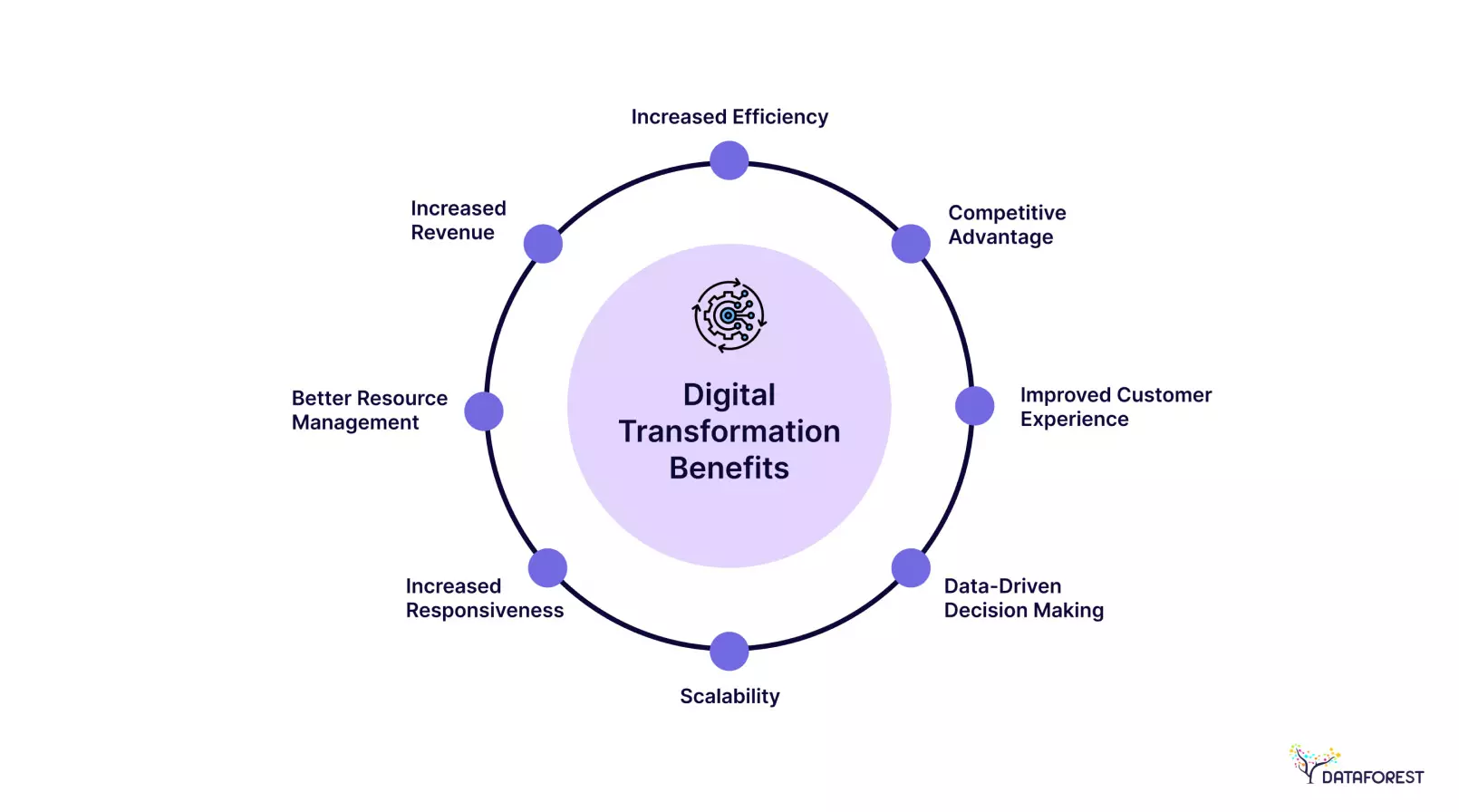
Provides the foundation for AI, predictive analytics, and digital transformation initiatives
SAP emphasizes that poor master data quality can disrupt operations, while well-governed data enables operational efficiency and strategic insights.
Impact of digital transformation
How SAP Structures Master Data
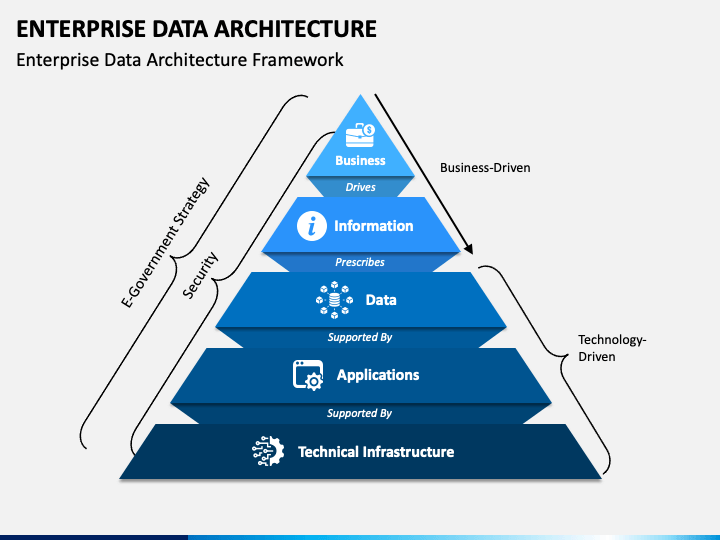
SAP S/4HANA organizes master data through structured frameworks designed to maintain consistency and reliability.
These structures include:
Schemas and database tables storing attributes and relationships
Unique key fields that identify business objects
Hierarchies that define reporting structures and operational relationships
SAP Fiori applications that simplify master data creation and maintenance
This structured approach supports the clean core principle promoted by modern SAP landscapes.
Master Data Governance (MDG)
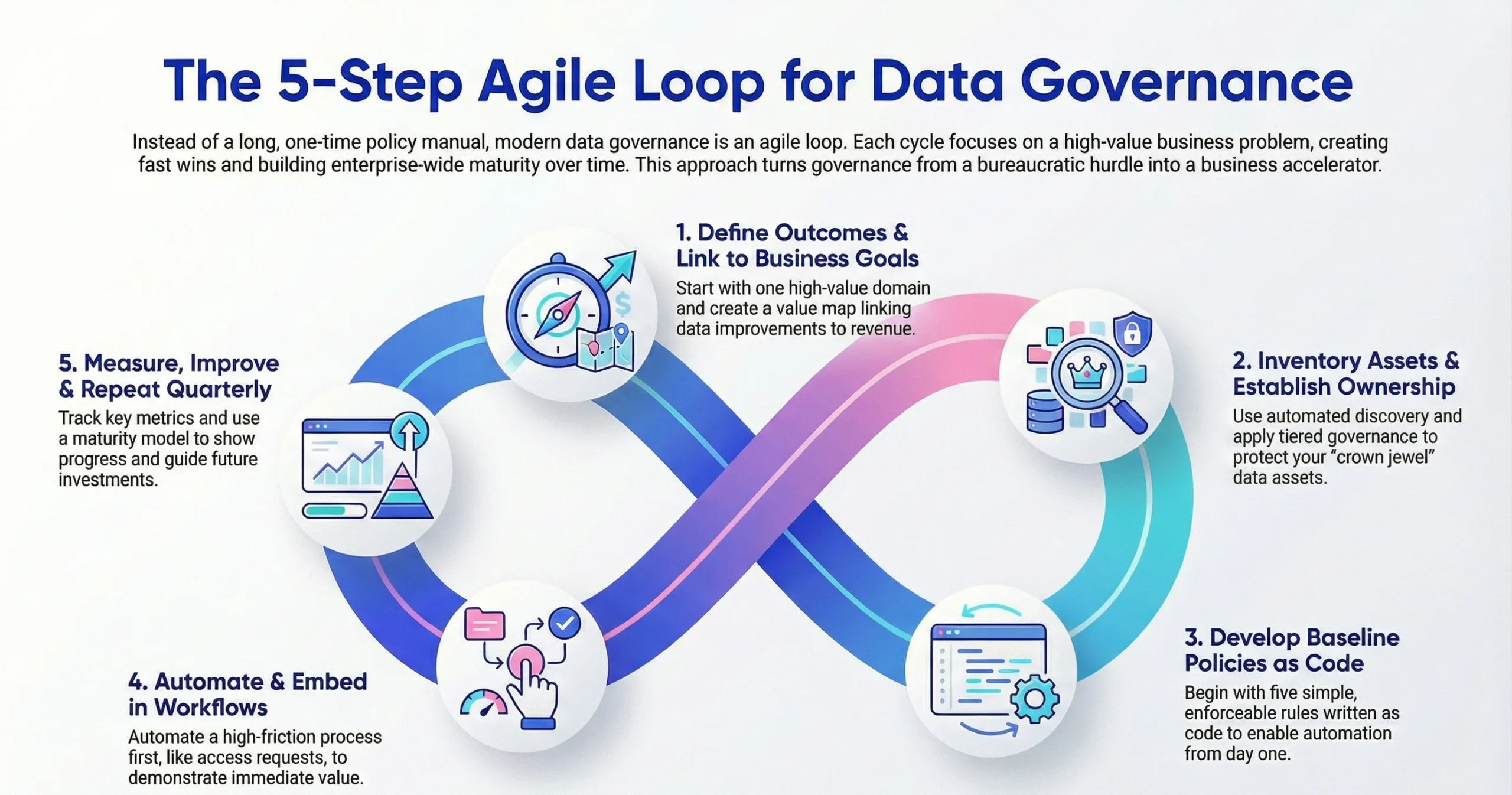
Organizations with complex enterprise systems often rely on SAP Master Data Governance (MDG) to maintain data quality and consistency.
SAP MDG provides capabilities such as:
Centralized creation and approval workflows
Data quality validation rules
Duplicate detection
Version control and audit trails
Integration with SAP S/4HANA and other enterprise systems
These tools ensure accuracy, compliance, and data integrity across the enterprise.