Reliability solutions are a collection of practices, strategies, and technologies designed to improve the dependability, durability, and overall performance of machinery and industrial systems.
Their primary goal is to reduce failures, extend the lifespan of assets, and optimize operational productivity.
In industrial environments, equipment reliability plays a critical role in maintaining smooth operations and minimizing costly downtime.
Reliability is commonly defined as:
The probability that a product, system, or component will perform its intended function adequately for a specified period under stated operating conditions.
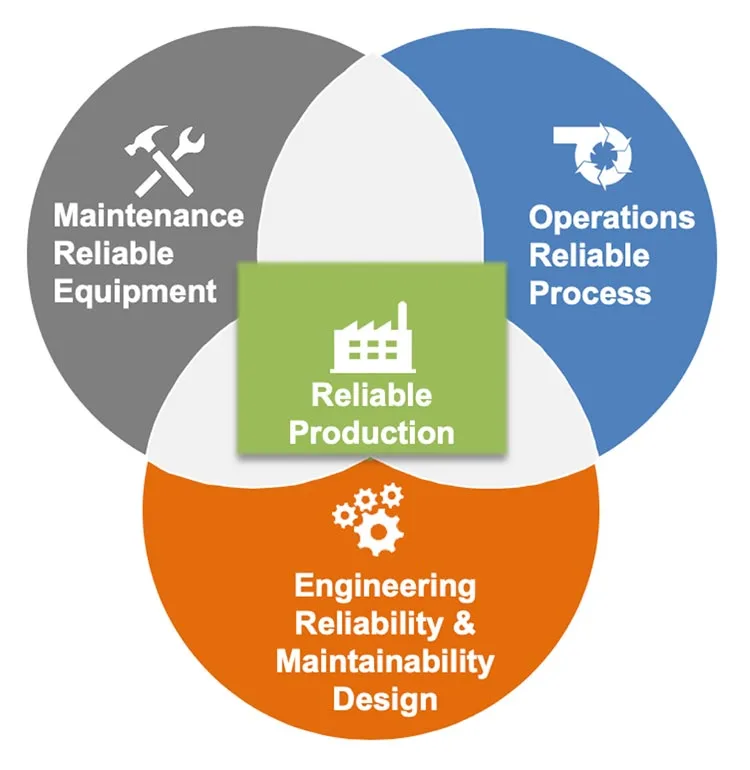
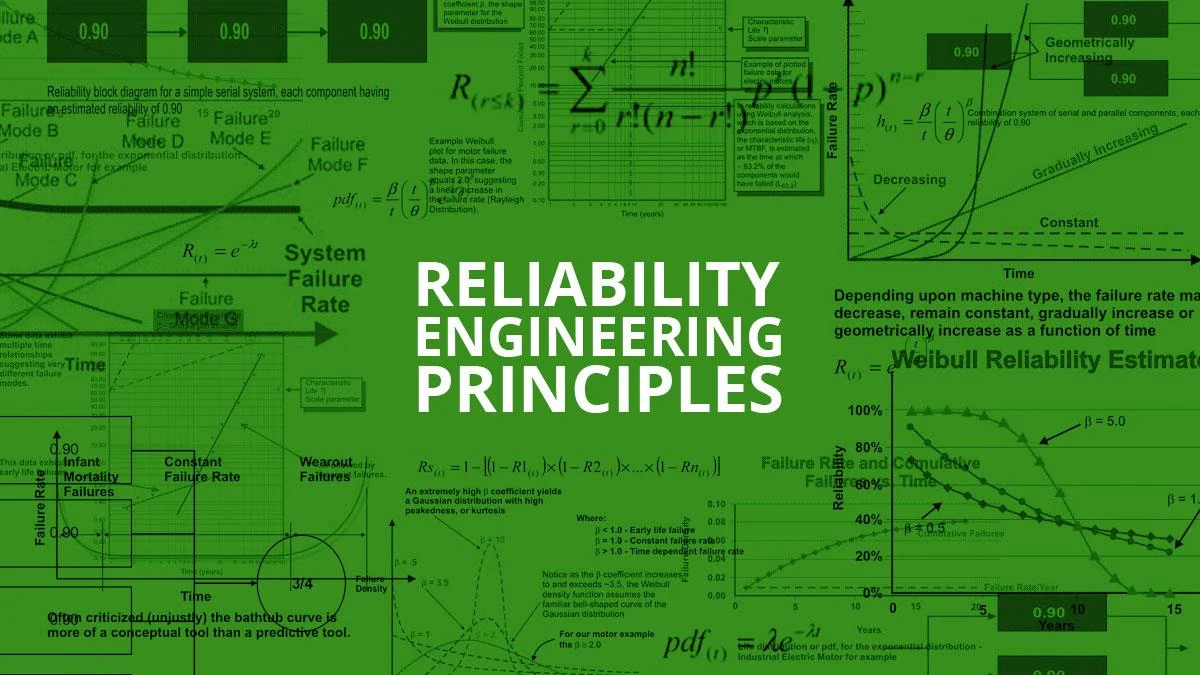
Modern reliability solutions combine reliability engineering principles with strategic maintenance practices to ensure machines operate efficiently and consistently.
Core Components of Reliability Solutions
Why Reliability Solutions Matter
Organizations that implement reliability solutions benefit from:
Reduced equipment failures
Improved operational efficiency
Lower maintenance costs
Extended asset lifespan
Increased production uptime
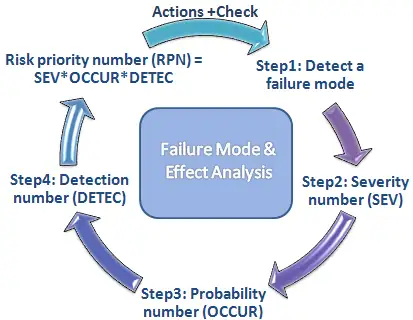
By identifying potential issues before they escalate into failures, businesses can maintain continuous operations and avoid unexpected disruptions.
Maintenance Strategy Optimization
A key component of reliability solutions is optimizing maintenance strategies based on equipment condition and operational data.
Instead of relying solely on reactive maintenance, modern strategies use predictive insights to ensure timely interventions.
Common Maintenance Approaches
Preventive Maintenance
Scheduled servicing and inspections performed regularly to reduce the risk of equipment failure.
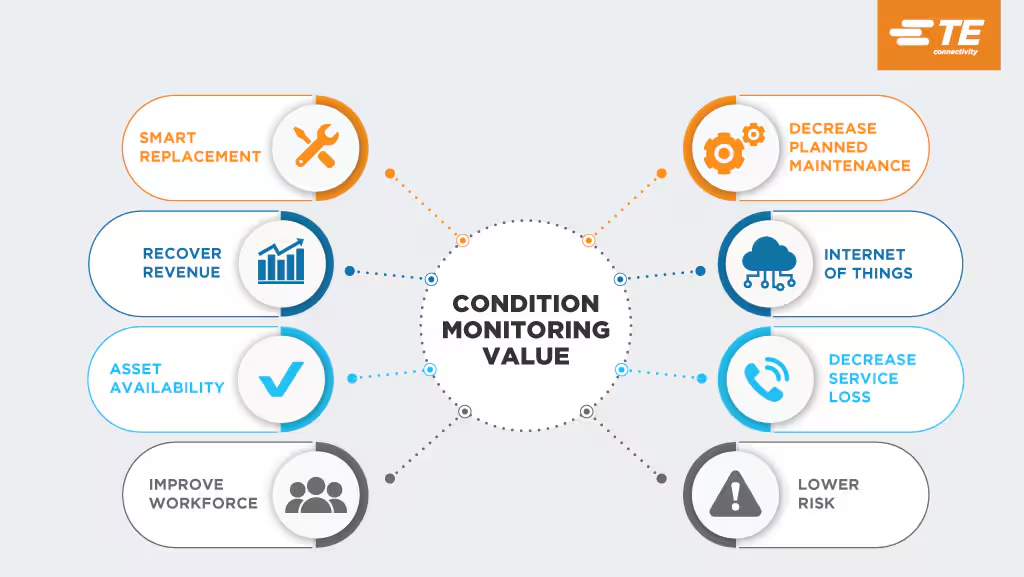
Condition-Based Monitoring
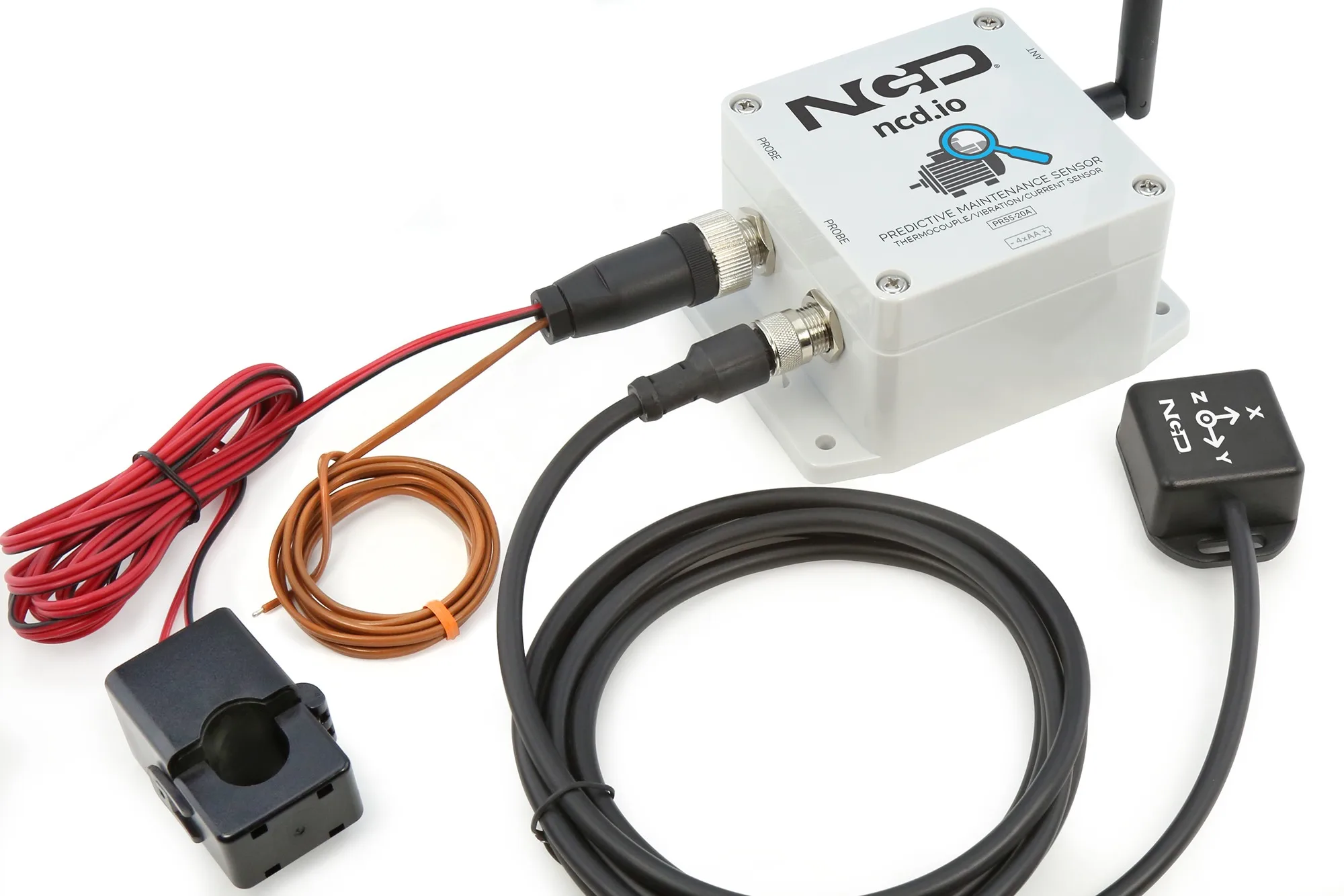
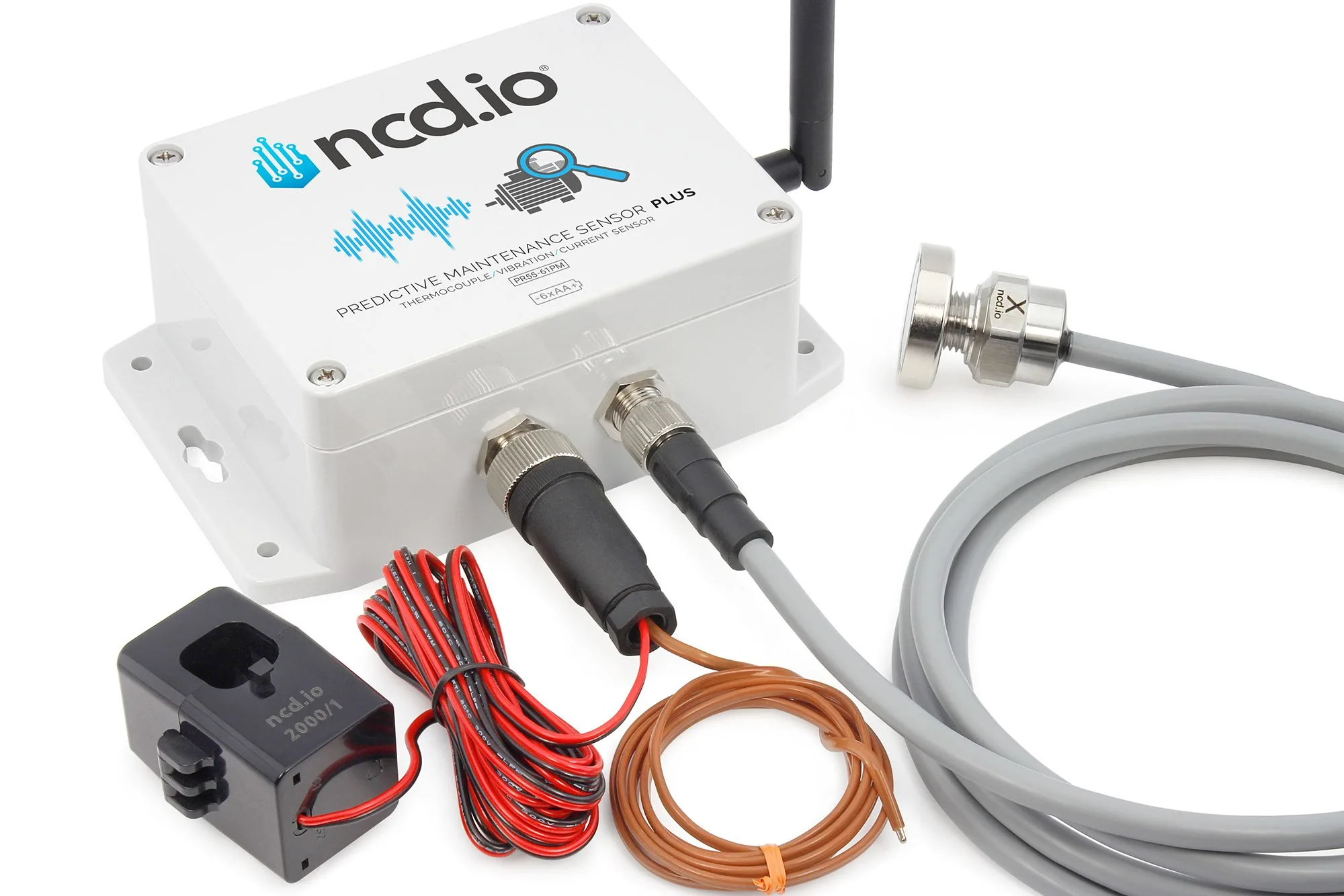
Monitoring equipment health using vibration analysis, thermography, lubrication analysis, and other techniques.
Predictive Maintenance
Using sensors and data analytics to forecast potential failures before they occur.
These approaches help companies maximize equipment availability while minimizing unnecessary maintenance costs.
Data-Driven Performance Management
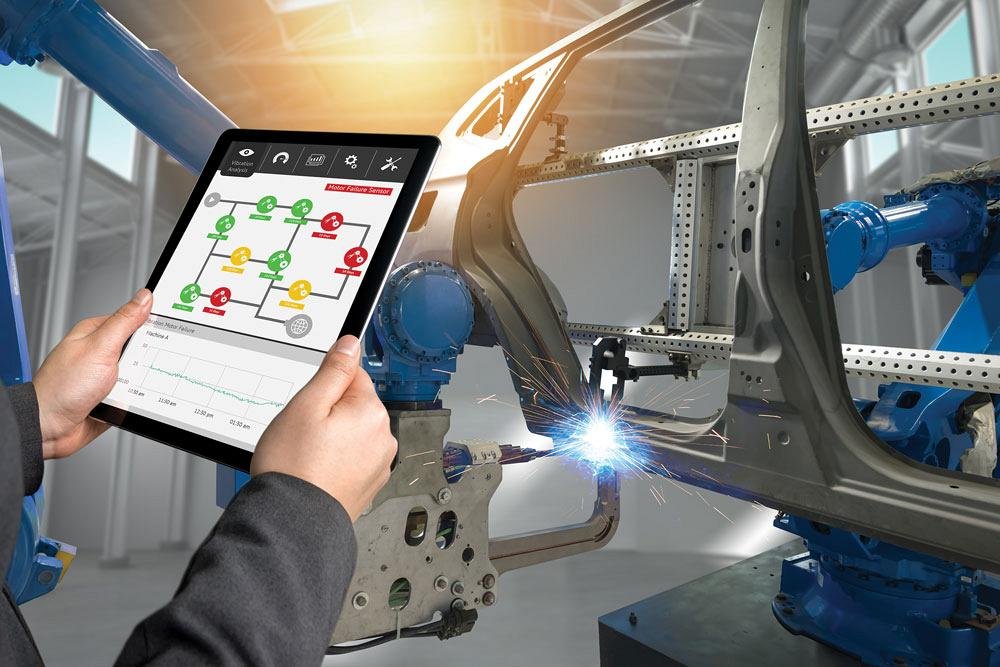
Modern reliability programs rely heavily on data collection and analysis to improve operational performance.Sensors and monitoring systems continuously gather information about equipment health, which is then analyzed to detect patterns and anomalies.
Through data-driven insights, organizations can:
Identify performance trends
Detect early signs of failure
Optimize maintenance schedules
Improve overall equipment effectiveness (OEE)
This approach enables informed decision-making and proactive maintenance planning.